BATHS
Capped at 48°C
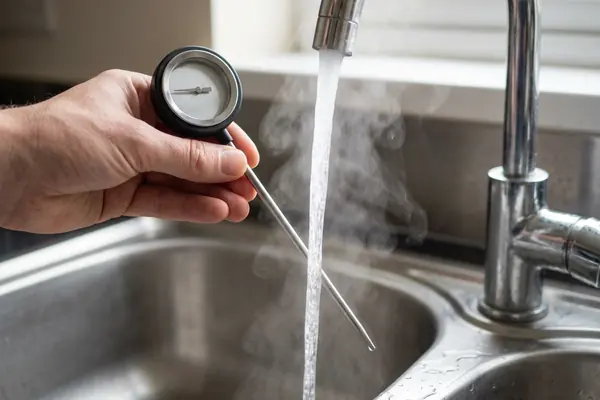
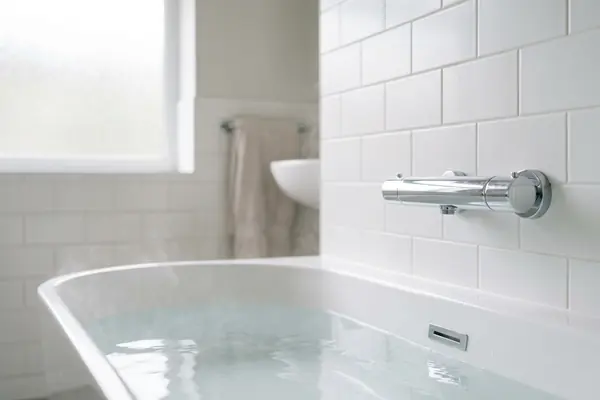
For new homes in England, Building Regulations say the hot water supply to a bath must not exceed 48°C, usually with an in-line blending valve that users cannot easily alter.
Check a temperature remotemixer
Start
WHAT THE GUIDANCE SAYS
Hot water has two jobs that pull apart.
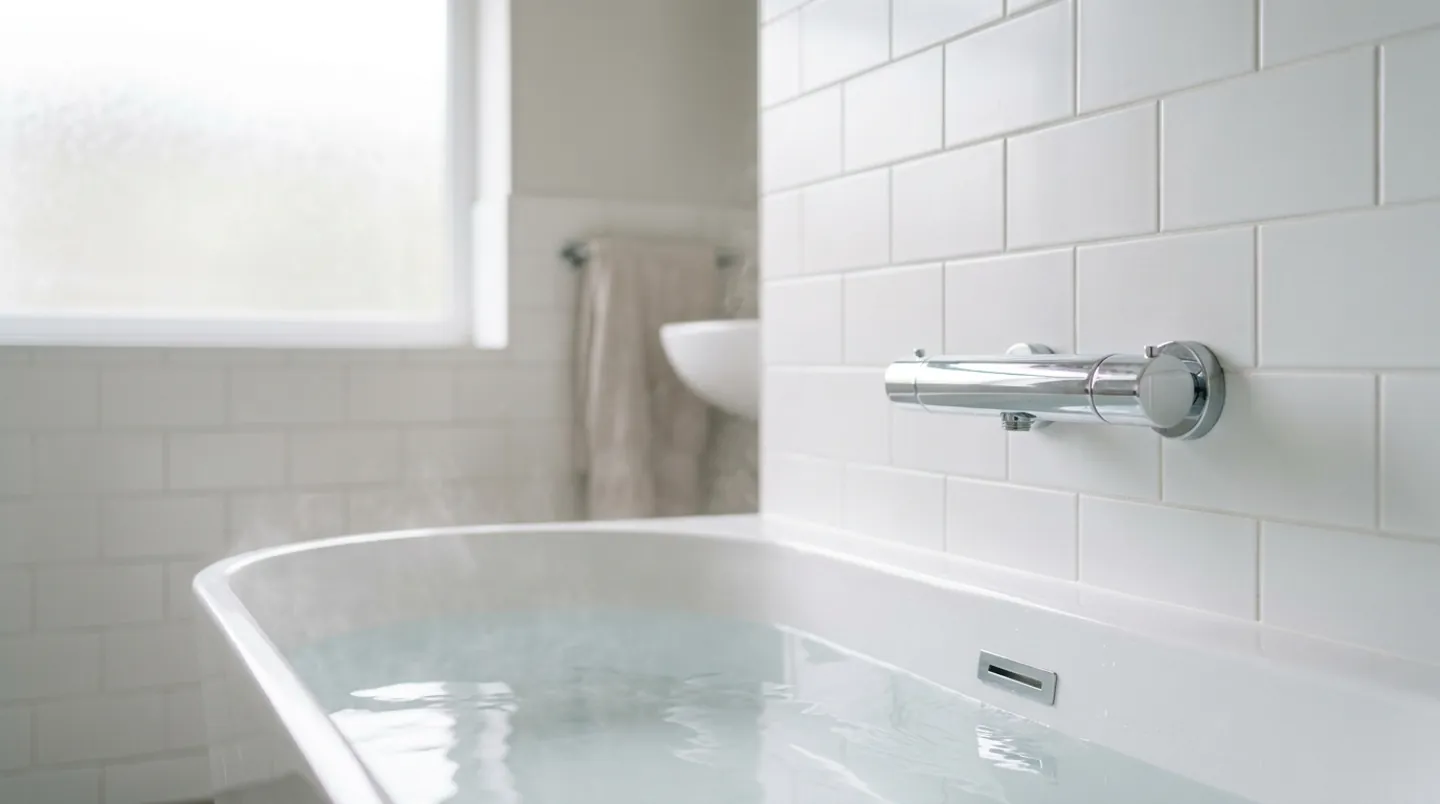
It must be stored hot enough to stop legionella bacteria, but water that hot can scald in seconds. A mixing valve blends in cold water just before the outlet, so the bath gets warm water and the tank stays hot.
48°Cthe cap on new baths
Check a temperatureKeep in mind
THE SHORT ANSWER
Too cool invites bacteria; too hot scalds.
Blending solves both at the outlet.
BATHS
For new homes in England, Building Regulations say the hot water supply to a bath must not exceed 48°C, usually with an in-line blending valve that users cannot easily alter.
Check a temperatureLEGIONELLA
HSE says hot water should be stored at 60°C at least to kill legionella bacteria, and should reach at least 50°C within a minute of running a tap.
See the numbersBATH TIME
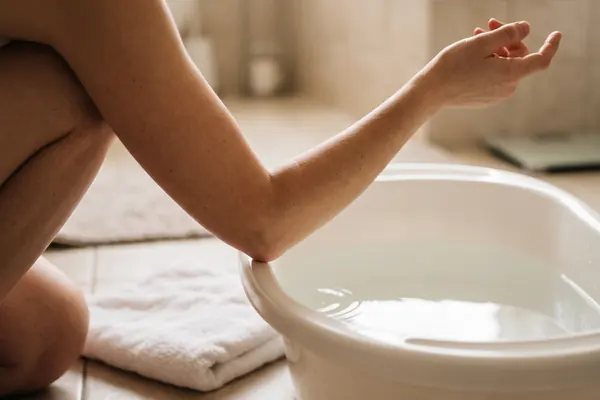
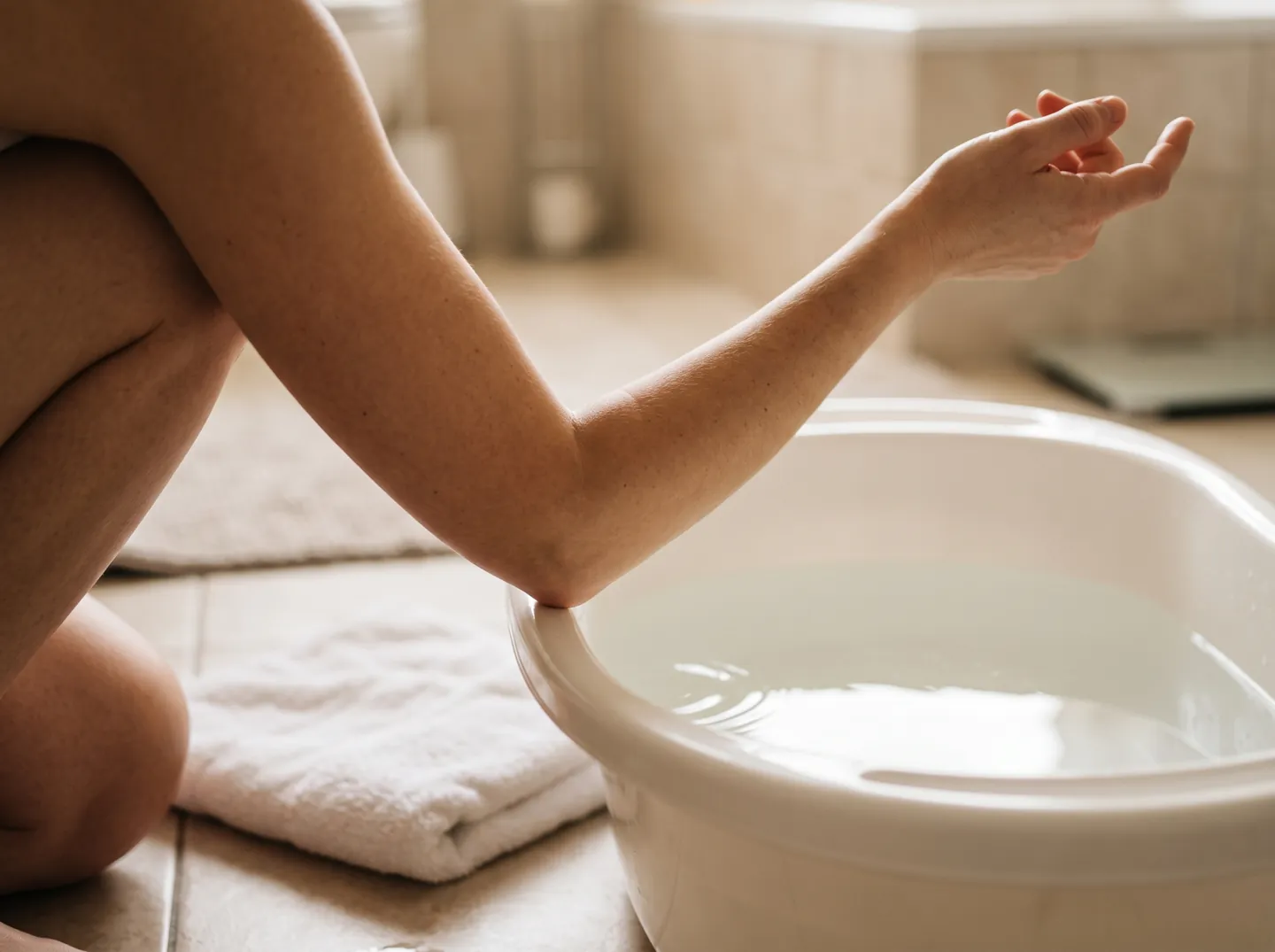
The Child Accident Prevention Trust says to run cold water in first, then add hot, test with your elbow, and stay with a child all the time in the bath.
Safer bath timeA QUICK TEMPERATURE CHECK
Pick a water temperature that comes up in UK guidance to see what it is for. The bar shows how serious the scald risk is at that temperature.
From HSE guidance on legionella and on hot water in care settings, and Approved Document G. General information, not medical advice.
TWO NUMBERS WORTH KNOWING
One figure from the Building Regulations,
one on who gets the worst burns.
48°C
Most a new bath supply may deliver
Requirement G3(4) applies when a dwelling is newly built or formed by a material change of use. The valve should be fail-safe and not easily altered by users.
BATH CAP · APPROVED DOCUMENT G
70%
Share of serious burns to under-fives
The Child Accident Prevention Trust says almost half of all serious burns are to children under two and 70% to children under five. A baby's skin is up to 15 times thinner than an adult's.
CHILDREN · CAPT
HSE's care-sector guidance says thermostatic mixing valves should be fitted as close as possible to the outlet, and that locking bathrooms or removing hot tap heads is not advisable long term because outlets must be flushed regularly to control legionella.
FOUR HABITS FOR BATH TIME
These come from the Child Accident Prevention Trust and HSE. None needs new kit, though a fitted mixing valve adds a safety net.
Step 1
Run the cold water into the bath first, then add hot until the temperature is right.
Step 2
Dip your elbow in before a baby or toddler goes in. It should not feel hot or cold.
Step 3
Many bath scalds happen when a child gets in early or plays with the hot tap. Stay with them throughout.
Step 4
A thermostatic mixing valve on the bath can be fitted by a professional, or tenants can ask their landlord.
IF SOMEONE IS SCALDED
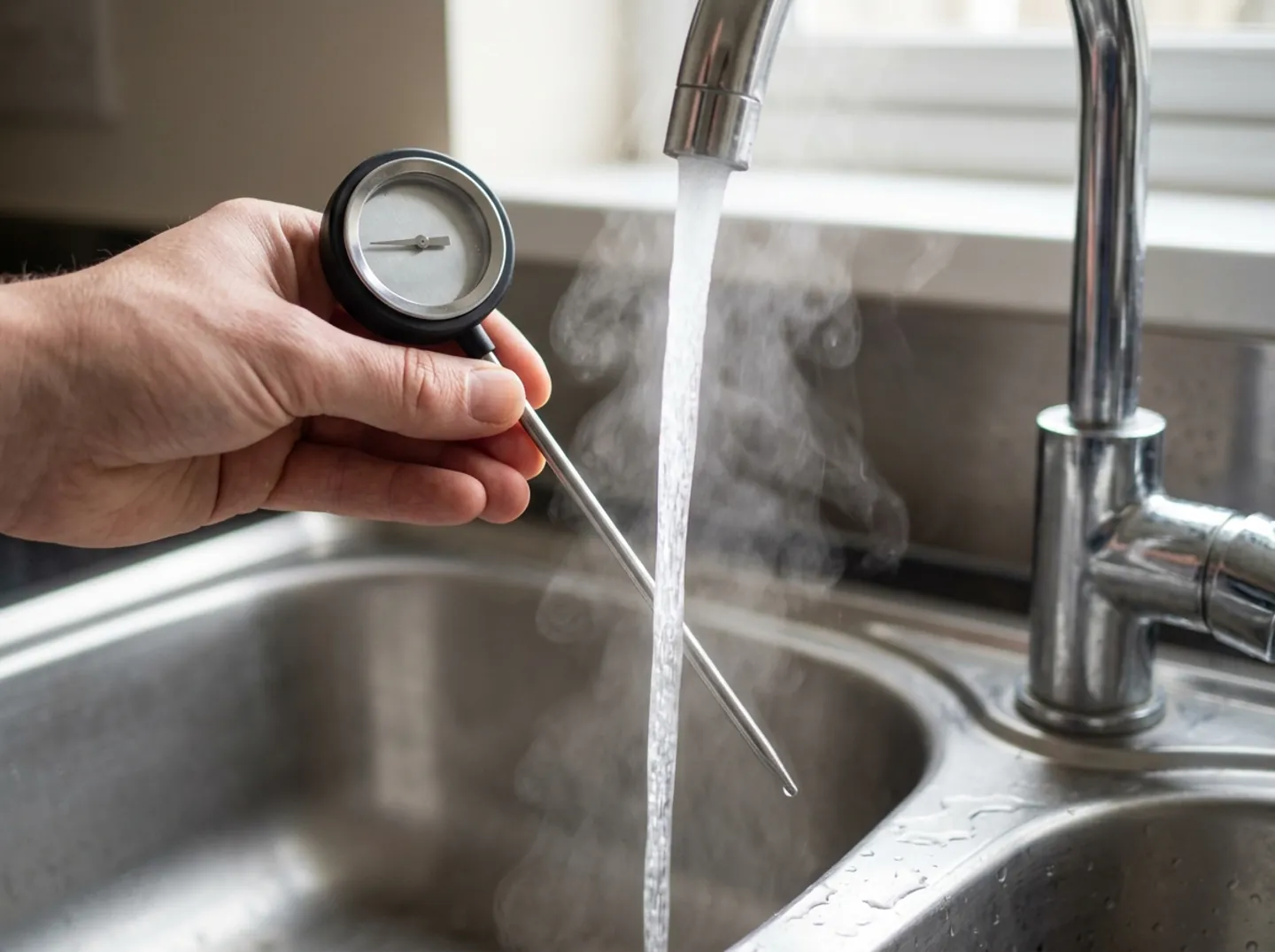
The NHS says to treat every burn or scald straight away: hold it under cool running water for 20 minutes, as soon as possible and within 3 hours. Remove nearby clothing or jewellery, but not anything stuck to the skin, then lay cling film over it.
Call 999 or go to A&E for a burn or scald that is very large or deep, or on the face, genitals or bottom. If you are unsure what to do, NHS 111 can help, including for a child under 5.
Questions
Stored hot water needs to be hot enough to control legionella. HSE says it should be stored at 60°C at least, so guidance blends it down near the outlet instead of storing it cooler.
A valve that mixes hot and cold water to a set temperature before it comes out of the tap. The Child Accident Prevention Trust says it stops children being scalded and can be fitted by a professional.
The Building Regulations requirement applies when a dwelling is newly built or formed by a material change of use, such as a conversion. Older homes are not required to add one.
HSE says water above 44°C used for bathing or showering brings increased risk of serious injury or death for vulnerable people, so outlets they can use should not discharge hotter water.
The NHS says to cool it under cool running water for 20 minutes, remove nearby clothing or jewellery that is not stuck, and cover it loosely with cling film. Get urgent help for large, deep or facial burns.
Destination
Updated
ABOUT THIS NAME
remotemixer.com is part of the DoodleSale portfolio. It isn't in an auction right now, but you can ask about leasing it.